
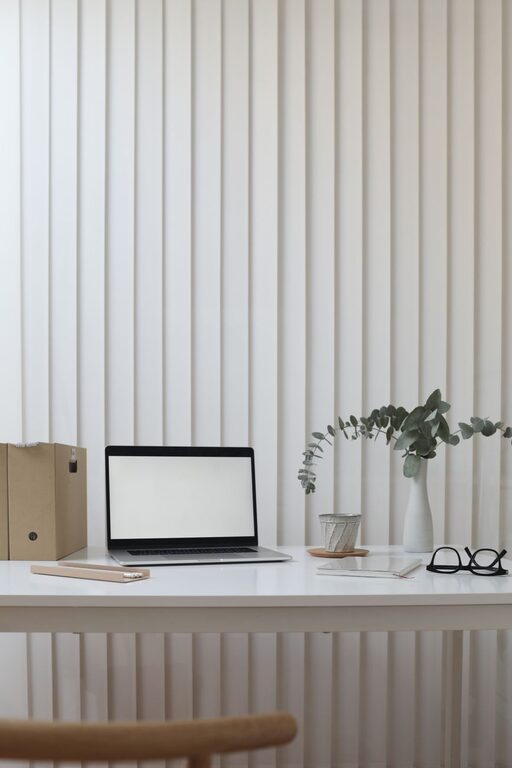
Creating a home workspace that is both cozy and organized can significantly enhance your productivity and overall work experience. Whether you work remotely full-time or occasionally need a dedicated space for tasks, a well-designed area tailored to your needs will make your work feel easier and more enjoyable. Here are practical tips to help you design a comfortable, clutter-free workspace at home.
Choose the Right Location
Finding the perfect spot for your workspace is the first step. Ideally, select a quiet area with minimal distractions. Natural light is a major plus, as it can improve mood and focus. Near a window, if possible, or a well-lit corner of a room works well. Avoid spaces with heavy foot traffic or excessive noise.
Consider Privacy and Comfort
If you share your home, opt for a location that offers some separation from common areas. Using room dividers, curtains, or bookshelves can create boundaries without requiring a separate room. Comfort is key—choose a spot with good ventilation and control over temperature.
Invest in Ergonomic Furniture
Comfortable and supportive furniture is essential for long hours of work. An ergonomic chair with adjustable height and good lumbar support helps prevent back pain. Pair it with a desk at the right height for your work style to promote good posture.
Desk Options
Whether a traditional desk, a standing desk, or a compact writing table fits best depends on your space and needs. Standing desks can boost energy and reduce sitting time, while desks with drawers provide handy storage.
Keep Your Workspace Organized
Clutter can harm focus and create stress. Keeping your workspace organized ensures everything is easy to find and frees mental space for your work.
Declutter Regularly
Set aside a few minutes at the end of each day or week to tidy your space. Remove unnecessary papers, empty trash bins, and clear unused items.
Smart Storage Solutions
Use drawer organizers, shelves, and containers to store supplies neatly. Vertical storage, such as wall-mounted shelves or pegboards, makes good use of limited space.
Cable Management
Tidy cables with clips, sleeves, or under-desk trays to prevent tangles and hazards, improving both safety and appearance.
Add Cozy Elements
To make your workspace inviting, include soft textures and personal touches that reflect your style and make you feel at ease.
Soft Furnishings
Add a cushioned seat pad or an ergonomic footrest for comfort. A throw blanket or small area rug can warm up the space visually and physically.
Personal Touches
Incorporate personalized decor such as framed photos, inspirational quotes, or plants. These items can boost your mood without causing distraction.
Optimize Lighting
Good lighting reduces eye strain and improves focus. Besides natural light, use adjustable desk lamps that offer directed illumination.
Layered Lighting
Combine overhead lighting with task lighting for flexibility. If possible, avoid harsh fluorescent bulbs; opt for softer, warm-toned LEDs.
Maintain a Functional Layout
Arrange your workspace so you have easy access to frequently used items and sufficient surface space for your work.
Zones for Different Tasks
If your work involves different activities, designate separate zones—for example, a computer area, a writing spot, and space for spreads or crafting.
Keep Essentials Within Reach
Keep everyday items like pens, notebooks, and your calendar close at hand, while storing less-used supplies out of the way.
Use Technology Wisely
Technology should simplify your work, not complicate your space.
Choose Multi-Functional Devices
A monitor that can connect to your laptop, a wireless keyboard, and mouse can reduce clutter. Consider noise-cancelling headphones if you encounter distractions.
Regular Maintenance
Keep software updated and backup files to avoid technical disruptions, keeping workflow smooth.
Encourage Breaks and Movement
A cozy workspace also supports wellbeing.
Create a Relaxation Spot
If space allows, add a small chair or cushion nearby for stretching or taking brief breaks away from your desk.
Natural Elements
Indoor plants not only decorate but can help improve air quality and promote a calm atmosphere.
Final Thoughts
A cozy and organized home workspace improves productivity and enjoyment. By choosing the right location, investing in ergonomic furniture, maintaining organization, and adding personal touches, you can create a space that suits your lifestyle and work habits. Remember, a comfortable workspace is a key ingredient in successful work-from-home routines. Take the time to design a space that feels good and supports your daily tasks, and you’ll likely notice a positive difference in your focus and motivation.